Meet the Founder
Peter Trubetskoy | Founder | Chief Product and Technology Officer
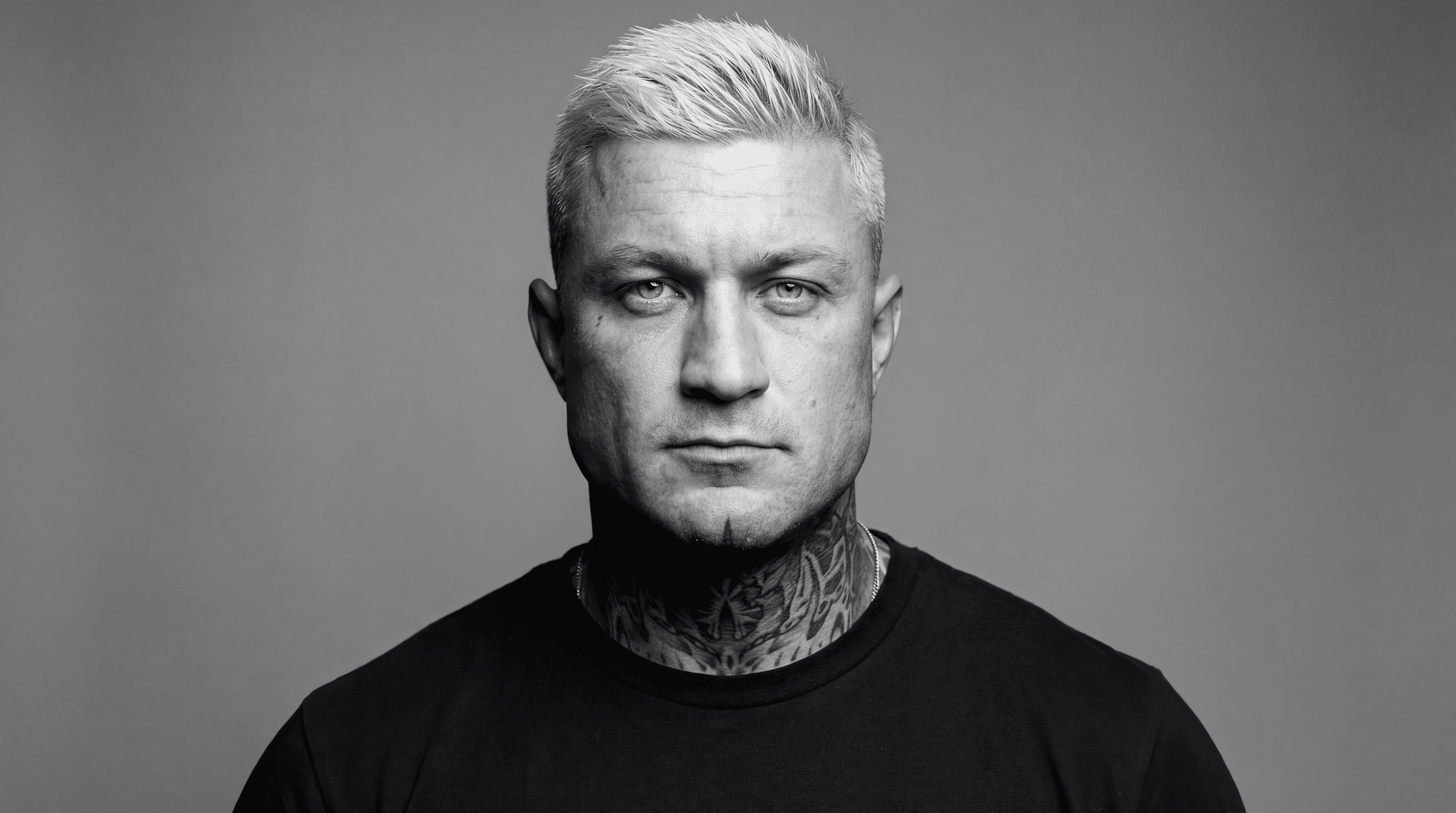
Peter Trubetskoy
Founder | Chief Product and Technology Officer
In January 2025, I moved into an apartment in Tempe. Within days, I started getting sick. Respiratory issues. Brain fog. A bone-deep exhaustion that sleep couldn't touch.
I raised concerns with the landlord. They told me I was imagining things.
Months later, after my health had slowly deteriorated, I finally discovered what was happening: the dryer exhaust had been rigged to vent directly back into my living space. A continuous loop of toxic air circulating through my home. Worse, the "apartment" wasn't even a registered rental unit—the owner had created the illusion of a legal dwelling without actually building to code. Humidity from that dryer loop created mold in my HVAC system, pumping poison through my apartment for months.
That experience changed how I saw everything. But it was September that broke something open.
I'd spent the entire summer searching for a home in rural Idaho and Montana—navigating septic permits, acreage reports, well depths, solar certificates, seller disclosures. The deeper I went, the more I realized how massive the gamble actually is. There's an entire industry built around helping sellers. Buyers? You're mostly on your own.
I redirected my search back to Arizona. I found a property I loved. The sellers declared the roof "OK" in their disclosure.
I trusted them because I didn't have a choice.
I spent weeks negotiating. I paid $1,600 for inspections. And then the truth came out: that roof wasn't "OK." It was at the absolute end of its life. When I adjusted my offer to reflect reality, the sellers walked. The deal collapsed. The money was gone.
I was punished for believing what I was told.
That's when I understood something fundamental about how real estate works. The system is designed to make you commit before you have the facts. "Trust, then verify" sounds reasonable—until you realize verification only happens after your money is already on the table.
I've lived in front of a computer since I was thirteen.
What started as building gaming rigs and enjoying World of Warcraft evolved into a genuine obsession with how digital systems actually work—and then into a career. Fifteen years as a software engineer and hardware systems specialist, working every layer of the stack: writing the code, and building and diagnosing the machines it runs on.
That drive led me into the volatility of the crypto markets in 2016. By 2017, I was designing and building Ethereum mining rigs and living in the 24-hour financial cycle. For years, I was glued to the global flow of information, learning to filter through propaganda and only focus on what was direct and relevant. I learned that in finance, correct information is leverage and assumption is failure.
When the current wave of AI emerged, I didn't just use it—I studied it. For the past four years I've worked in AI systems automation and agentic AI—designing autonomous agents and the pipelines that keep them honest. I spent thousands of hours mastering prompt engineering, eventually ranking in the top 1% of MidJourney users and beta-testing for major research labs.
I learned exactly how these models think and how to communicate with them. More importantly, I learned where they fail.
Standard AI tools have small "context windows"—limited memory that forces them to forget crucial details mid-conversation. They're designed to give you the simplest answer, not the correct one. They're conversationalists, not investigators and they sense your feelings through the stories you tell it or the bias you unknowingly spill.
I knew no off-the-shelf chatbot could solve the problem I'd faced that September. So I built something different.
KaleoIntel isn't a chatbot. It's a forensic engine.
Where standard models cap out at around 25,000 tokens of memory, our system operates with a 2-million-token context window. It holds every permit, every tax record, every satellite image in focus simultaneously.
We deploy over 50 autonomous AI workers that don't just answer questions—they investigate. They pull data, dump it into a massive shared memory system and then re-investigate based on what other workers found. They cross-reference permits against satellite imagery. Tax records against owner claims. Environmental reports against neighborhood patterns.
They build a picture that no human—and no retail-grade AI—can assemble alone.
KaleoIntel is the tool I wish I'd had that September.
It exists because I believe something simple: you deserve to know what you're walking into before you sign. Not after. Not once you're already committed. Before.
In high-stakes decisions, assumption isn't optimism. It's negligence.
I built KaleoIntel to replace assumptions with truth.